DarjeelingHIMALAYAS
Yumthang Valley

North Sikkim: Lachung & Lachen · valley

Yumthang Valley

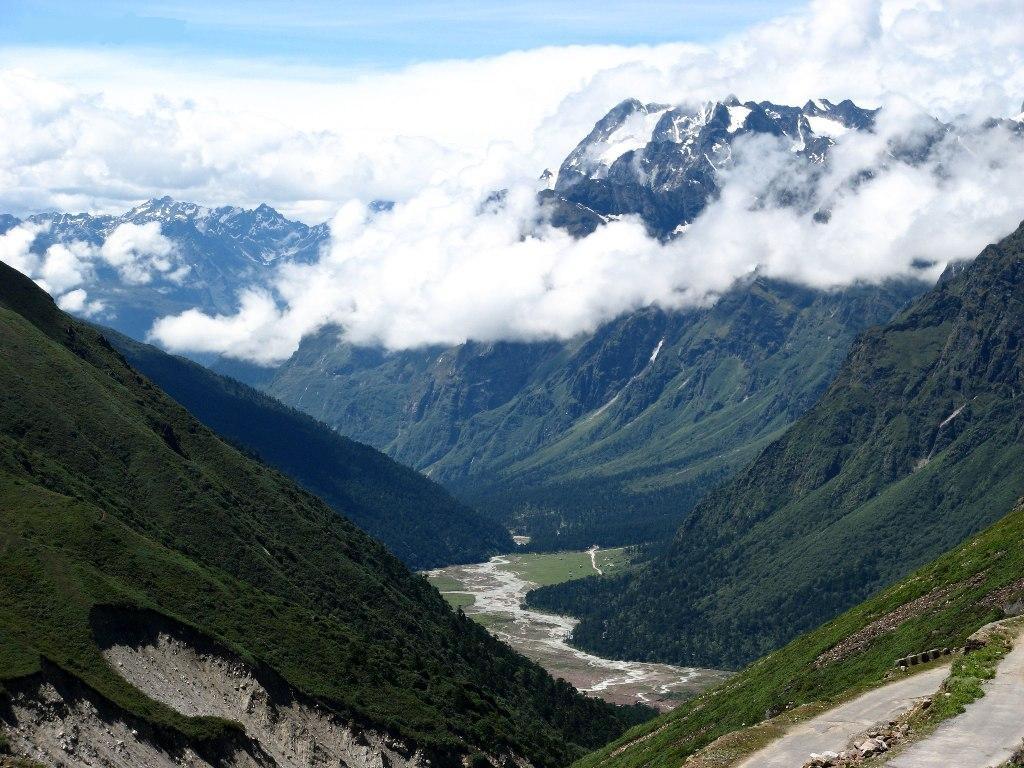
Rhododendron valley at 3,564 m, with a hot spring by the river

Altitude3,564m Nights0 BestMar – May · Oct – Nov

Photo: Joginder Pathak · CC BY-SA 2.0, Wikimedia Commons

In brief

Yumthang is a high grazing valley at 3,564 m, 24 km above Lachung, inside the Shingba Rhododendron Sanctuary. Rhododendrons flower from late April to May, primulas follow, and there is a natural hot spring by the Lachung Chu. You visit on a day trip from Lachung with a North Sikkim permit.

The local story

A summer pasture that became a sanctuary

Long before tour jeeps, Yumthang was a summer pasture. Lachung families still drive yaks and cattle up to these meadows when the snow melts and bring them down before winter, a seasonal move that has shaped the valley's open grassland. The only permanent building in the valley has been a forest rest house; everyone else comes and goes with the seasons.

The valley is part of the Shingba Rhododendron Sanctuary, protected for its rhododendron forests. Counts vary by source, from about 24 to 40 species, and the sanctuary is part of the wider Sacred Himalayan Landscape conservation area. The Lachung people regard the hot spring by the river as a place of healing; local families have long come to soak in its sulphur-smelling water in the cold months. Joseph Hooker passed through these valleys in 1849, and many of the rhododendrons in English gardens of his time grew from seed he gathered in Sikkim.

Yumthang lies at 3,564 m, about 150 km by road from Gangtok, and the only permanent building in the valley is a forest rest house.
Birds recorded in Shingba Rhododendron Sanctuary include the wood snipe and the hoary-throated barwing.
The flowering season runs from late February at the lowest slopes to mid-June higher up, with most rhododendrons at their best in late April and May.

About Yumthang Valley

Yumthang is a broad, flat-floored valley with the Lachung Chu winding through it, conifer and rhododendron forest on the slopes, and snow peaks at the head. You reach it on a 24 km drive from Lachung, about one hour each way, through the Shingba Rhododendron Sanctuary. Tours leave Lachung at 6 am, spend one to two hours here and continue to Zero Point or return.

What you see depends on the month. In March there is often snow on the valley floor. Late April and May bring the rhododendrons, followed by primulas, poppies and iris into June. Summer belongs to the yaks. October and November are dry and golden, with clear skies. The upper road can close between December and March after heavy snow. Check current status before you travel.

What to see and do

Rhododendron season

From late April through May the slopes of the Shingba sanctuary flower in red, pink, white and pale yellow, starting low and moving up. The road from Lachung passes through the best stands; ask the driver to stop.

The hot spring

A small sulphur hot spring by the river near the valley floor, used by local people for generations. Facilities are basic. Dip feet or hands at least; full bathing depends on how the pool is maintained that season.

Snow in March

In March the valley floor is often still under snow, while Lachung below has thawed. It is the month many families choose to see snow without going to Zero Point's 4,700 m.

Yaks and meadows

Through summer, yak herds graze the meadows. Keep your distance, as yaks can be nervous around crowds, and never feed them. Herders sometimes allow photos if you ask.

Autumn clarity

October and November skies are often clear from dawn to noon, the grass turns gold and the river runs low and blue. Fewer flowers, better light.

How to get there

Tour vehicle from Lachung
Every Lachung tour includes Yumthang on the morning after arrival. The vehicle leaves Lachung around 6 am and covers 24 km in about an hour. There is no public transport, and private vehicles from outside need the same permit arrangements.
Reserved vehicle
With a whole vehicle from Gangtok you can set the pace: leave earlier for light, stop for flowers, and combine Yumthang with Zero Point. Expect ₹14,000–20,000 for the car on a 3-day Lachung trip.

Where to stay

There are no tourist rooms in Yumthang. Everyone stays in Lachung, 24 km down the valley, in small hotels and family homestays at about ₹1,500–2,500 per person with dinner and breakfast. For a slower flower season trip, book two or three nights in Lachung so you can go up to Yumthang on more than one morning. Yarlam Resort is a more comfortable option on the edge of Lachung village.

Local tips

  • Go early: clouds often cover the peaks by 11 am.
  • Do not pick rhododendrons or primulas; the valley is a protected sanctuary.
  • Carry your own bag for rubbish; there are few bins and the Dzumsa asks visitors to take waste back.
  • Rent boots in Lachung in March and April, when the valley floor is wet with snowmelt.
  • If you feel breathless, walk slowly; 3,564 m is higher than any hill station in India.

On the map

Yumthang Valley and its neighbours

Map of Yumthang Valley, Lachung, Yumesamdong (Zero Point), ChungthangIndiaChinaBhutanYumthang Valley1Yumthang ValleyLachung2LachungYumesamdong (Zero Point)3Yumesamdong (Zero Point)Chungthang4Chungthang20 kmN
  1. 1Yumthang Valley
  2. 2Lachung
  3. 3Yumesamdong (Zero Point)
  4. 4Chungthang
Drawn by Darjeeling Himalayas from Natural Earth outlines (public domain). Borders as depicted by India. Not for navigation.

Close by

Nearby places

Lachung
village2,700 m Lachung The small pass, run by its own village council since the 1800s
Yumesamdong (Zero Point)
viewpoint4,700 m Yumesamdong (Zero Point) Where the civilian road ends, at about 4,700 m
Chungthang
river town1,790 m Chungthang Where two rivers become the Teesta, and where the 2023 flood struck

Routes

Ways to travel

Questions people ask

Questions about Yumthang Valley

How far is Yumthang from Lachung?

Yumthang is about 24 km above Lachung, roughly one hour each way by tour vehicle. Tours leave Lachung around 6 am, spend an hour or two in the valley, and either continue to Zero Point, 23 km further, or return to Lachung for breakfast before driving back to Gangtok.

What is the altitude of Yumthang Valley?

Yumthang Valley is at 3,564 m (11,693 ft). That is high enough for some visitors to feel breathless or get a headache, especially if they came up from Gangtok the previous day. Walk slowly, drink water and avoid alcohol the night before.

Why is Yumthang called the Valley of Flowers?

Because of the Shingba Rhododendron Sanctuary and the alpine flowers that follow. Rhododendrons flower from late April through May, and primulas, poppies and iris continue into June. The name is a popular one; it is not the same place as the Valley of Flowers National Park in Uttarakhand.

When is Yumthang closed?

The road above Lachung can close after heavy snow between December and March, and the whole North Sikkim road often closes in the monsoon, roughly June to August, because of landslides. Since the 2023 Teesta flood, closures have been longer and more frequent. Check current status before you travel.

Can foreigners visit Yumthang?

Usually yes. Foreign nationals with a Protected Area Permit, travelling in a group of at least two through a registered Gangtok agent, have generally been allowed to Lachung and Yumthang. Zero Point beyond has not been open to foreigners. Check current status before you travel.

Is there food in Yumthang?

Yes, in season. Temporary stalls near the valley floor sell tea, coffee, Maggi, momos and biscuits for about ₹60–150. Most tours return to Lachung for breakfast or lunch. Carry water and a snack, as stalls may not open early in the morning or off-season.

Is Yumthang worth visiting in October?

Yes. There are few flowers, but October brings the clearest skies of the year, golden grass and good mountain views. Days are cold but stable. It is a good month for photography and for families who want dry roads. Durga Puja weeks are crowded, so book early.

Should I add Zero Point to the Yumthang trip?

If everyone in your vehicle is healthy and you want snow, yes. It adds ₹3,000–4,500 per vehicle and about 2–3 hours. At around 4,700 m, it is hard on young children, older people and anyone with heart or lung problems. Yumthang alone is a complete trip.

Do I need a permit for Yumthang?

Yes. Yumthang is covered by the North Sikkim permit that your Gangtok tour operator arranges with your photo ID and photographs. Foreign nationals need a Protected Area Permit. You cannot buy a permit at the valley; it must be done in Gangtok before departure.

Plan with a local

Tell us your dates. We send the real cost

Where you want to go, how many of you, and roughly what you want to spend a day. A planner who lives in these hills replies within one working day with a route and every rupee written down.

  • No payment to start
  • Shared jeep or private car, your choice
  • Homestays we have slept in
  • Change anything, any time before you book

Get a priced route

Within one working day. No payment to start.

We reply by email or WhatsApp. See our privacy policy.

Plan Yumthang Valley