The local story
From Captain Samler's cornfield to the Banerjees
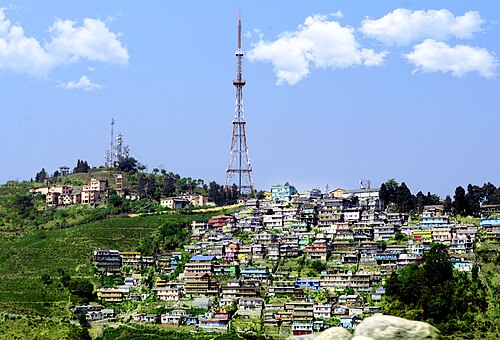
Makaibari means 'cornfield' in Nepali: makai is maize and bari a field. When the British began planting tea in the Darjeeling hills in the 1850s, a Captain Samler cleared land on these slopes below Kurseong. He soon sold it to Girish Chandra Banerjee, a Bengali who had come into the hills, and in 1859 a tea factory was commissioned on the estate, among the very first in the district. For the next century and a half the garden stayed with one Bengali family, which was unusual in a business dominated by British companies.
The best known of them was Swaraj Kumar Banerjee, called Rajah, the fourth generation, who turned the estate organic and made Makaibari in 1988 the first garden certified as fully organic. He kept large parts of the estate under forest, believing the garden and the jungle should feed each other. In 2014 the Luxmi Group bought the estate; Banerjee stepped down as chairman in 2017. The village homestay programme he encouraged, in which workers' families host visitors, still runs.